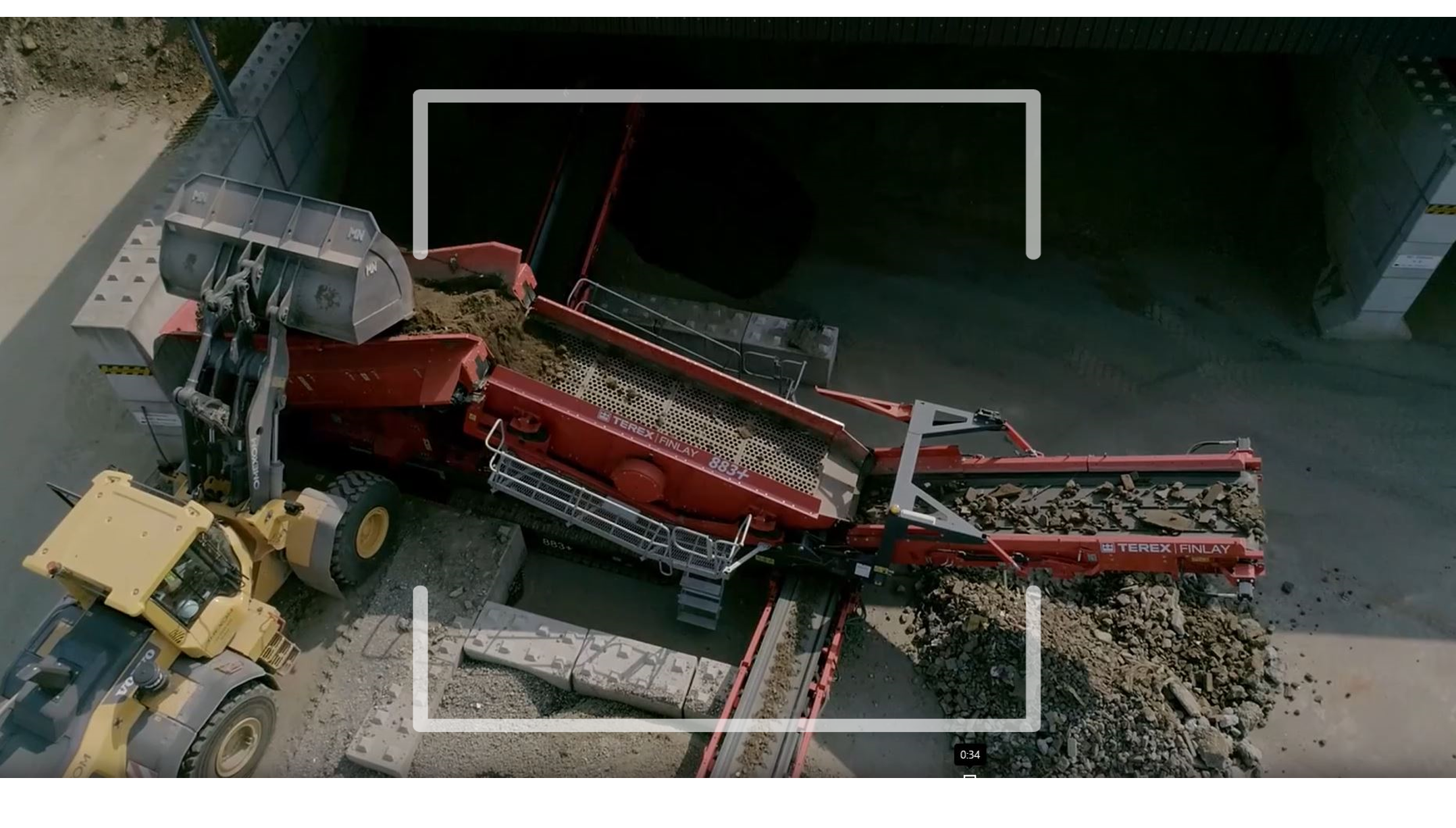
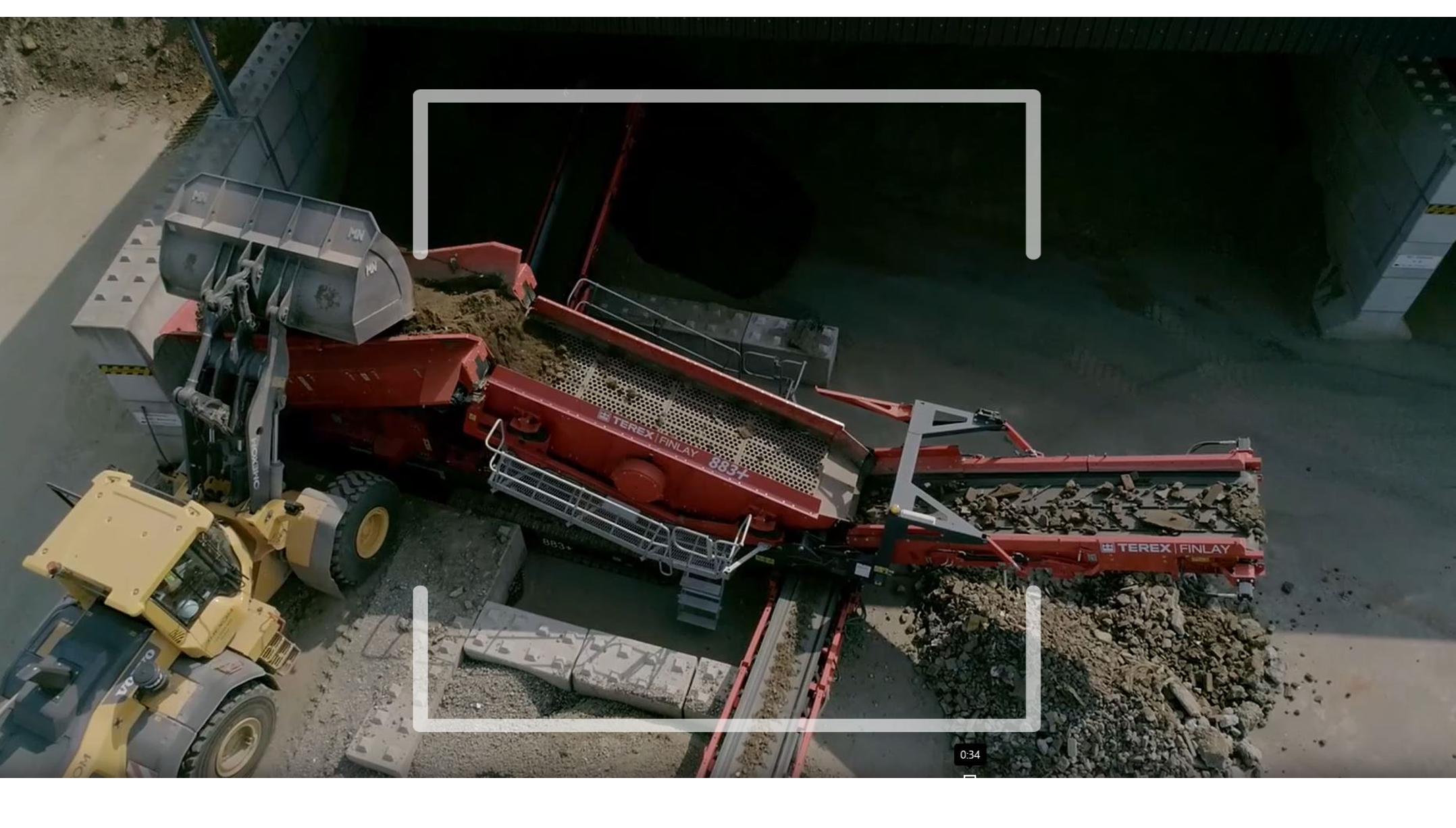
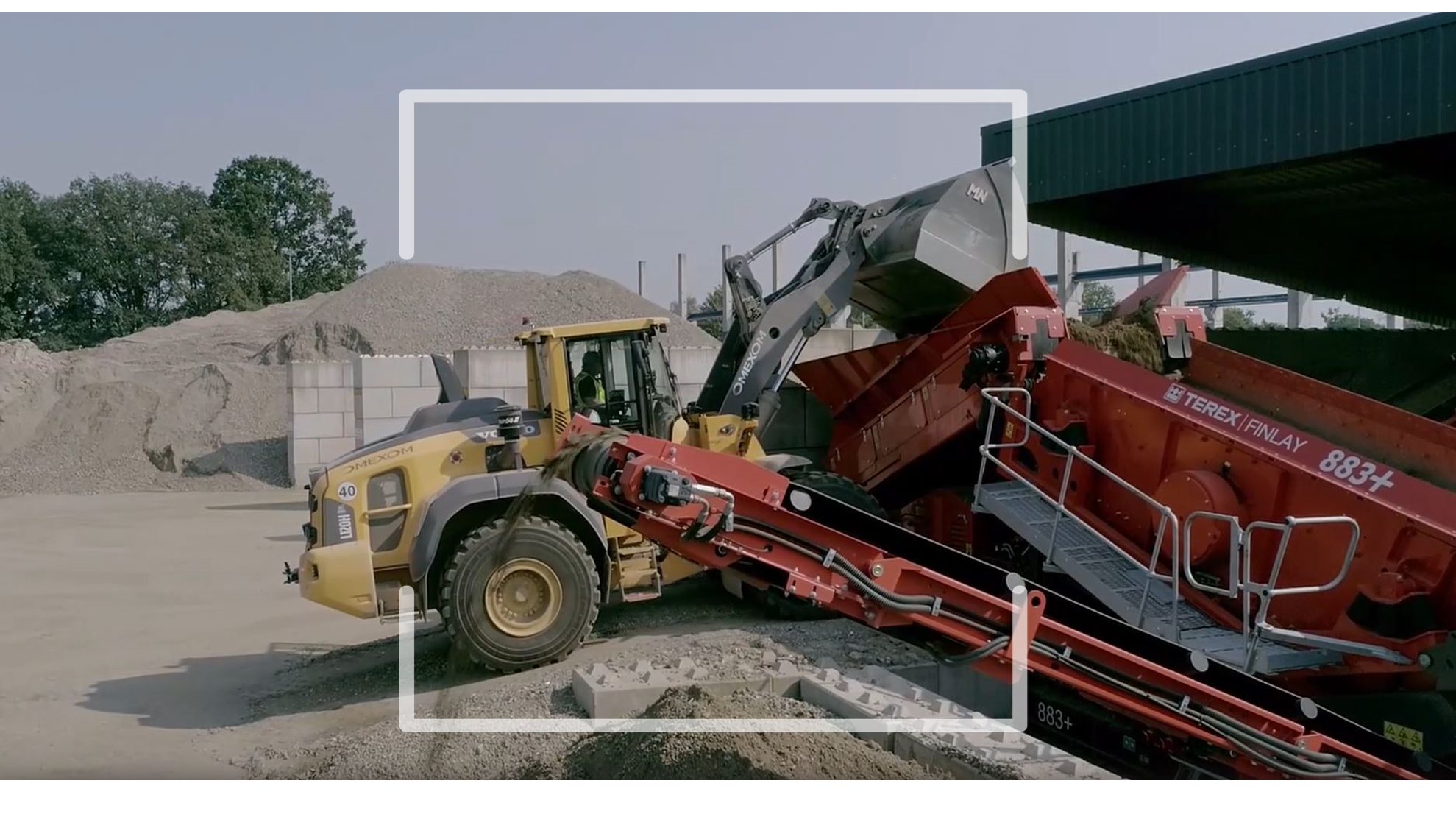
In this fourth episode, we take a look at an initiative launched in one of our Omexom Business Units in Germany: the recycling of construction waste and its use in road construction.
This initiative won the Evolution of practices prize in the circular economy category at the regional VINCI Environment Awards.
Take a look at this initiative!
Following the German environmental law and going further
Germany has a law on the circular economy. At national level, this law is an integral part of the Waste Framework Directive, including waste prevention and recycling.
The recycling of construction waste should not only be about recycling materials. It should also reduce unnecessary travel, such as the delivery of construction materials not related to the site, and thus avoid further unnecessary CO₂ emissions.
Thereby we transform the construction waste and road rubble into recycled construction material that is reused in civil engineering works.
Helmut RiederOmexom Business Unit Manager in Germany
This initiative, which can easily be replicated by other business units and in other countries, won the Evolution of Practices Prize in the circular economy category at the regional VINCI Environment Awards.
A winning and replicable initiative
This initiative is the idea of a German Omexom Business Unit specialised in transport and recycling. The aim of the initiative is to recycle construction waste from their own activity sector into a product that can be used as Class I (best quality) recycled construction material in road construction (RC).
In this way, the waste is transformed into a new construction material, thus completely eliminating the costs associated with the waste.
And in terms of consumption? This treatment also saves the use of the exhaustible raw material (limestone), which produces considerable CO₂ emissions, especially during dismantling and transport from the extraction areas.
Thus, each year, 300 Teq CO₂ emissions are reduced thanks to this new process: avoided transportation, the non-extraction of raw materials and the reuse of waste construction as trenches material!
These processes enable us to reduce, year by year, 300 Teq CO₂ emissions when compared to the use of natural products, with rising trends.
Helmut RiederOmexom Business Unit Manager in Germany
An evolving initiative
The use of resources also includes their own production of sand and gravel fill. By digging themselves, they take sand and gravel from the soil while ensuring that nature is not degraded, using clean soil for backfilling and making the excavation area fully usable for agriculture after removal. In order to restore the soil structure, the company decided to grow plants.
Moreover, by using soil from the same land, biodiversity is less impacted by the earthwork and the risk of invasive species is lessened. And by not digging elsewhere for material resources and raw materials, areas are preserved from man’s harm.
The acceleration of Europe’s energy transition presents substantial challenges on the path toward a decarbonized energy system. Grid operators, industrial stakeholders, and energy developers encounter…
Omexom has been awarded a long-term operations and maintenance contract for the substation infrastructure of Baltic Power, marking the company's entry into Poland's first offshore…
Germany / Offshore wind / Power Generation / The Netherlands
Extrait :
Offshore wind farms operate in some of the most challenging environments in the energy sector. To ensure the safe, uninterrupted functioning of electrical systems and…
Read more
Cookies preference
Our website uses technical cookies, analytics cookies and social media & third party related cookies, some of which require your prior consent. See our Privacy Policy
This website uses cookies to improve your experience while you navigate through the website. Out of these cookies, the cookies that are categorized as necessary are stored on your browser as they are essential for the working of basic functionalities of the website. We also use third-party cookies that help us analyze and understand how you use this website. These cookies will be stored in your browser only with your consent. You also have the option to opt-out of these cookies. But opting out of some of these cookies may have an effect on your browsing experience.
Analytics Cookies aim to measure the audience of our website’s content and sections in order to assess them and organise them better. They also allow us to detect browsing problems and therefore make our services more user-friendly. Please refer to our cookies policy to learn more about Matomo, the privacy-friendly tool we use.
We request your consent before using cookies related to social media and third-party services, intended to facilitate the sharing of content and make the website more user-friendly. By default, refusal is assumed and these cookies are not placed in your browser or activated.
 English
 Français
 Deutsch