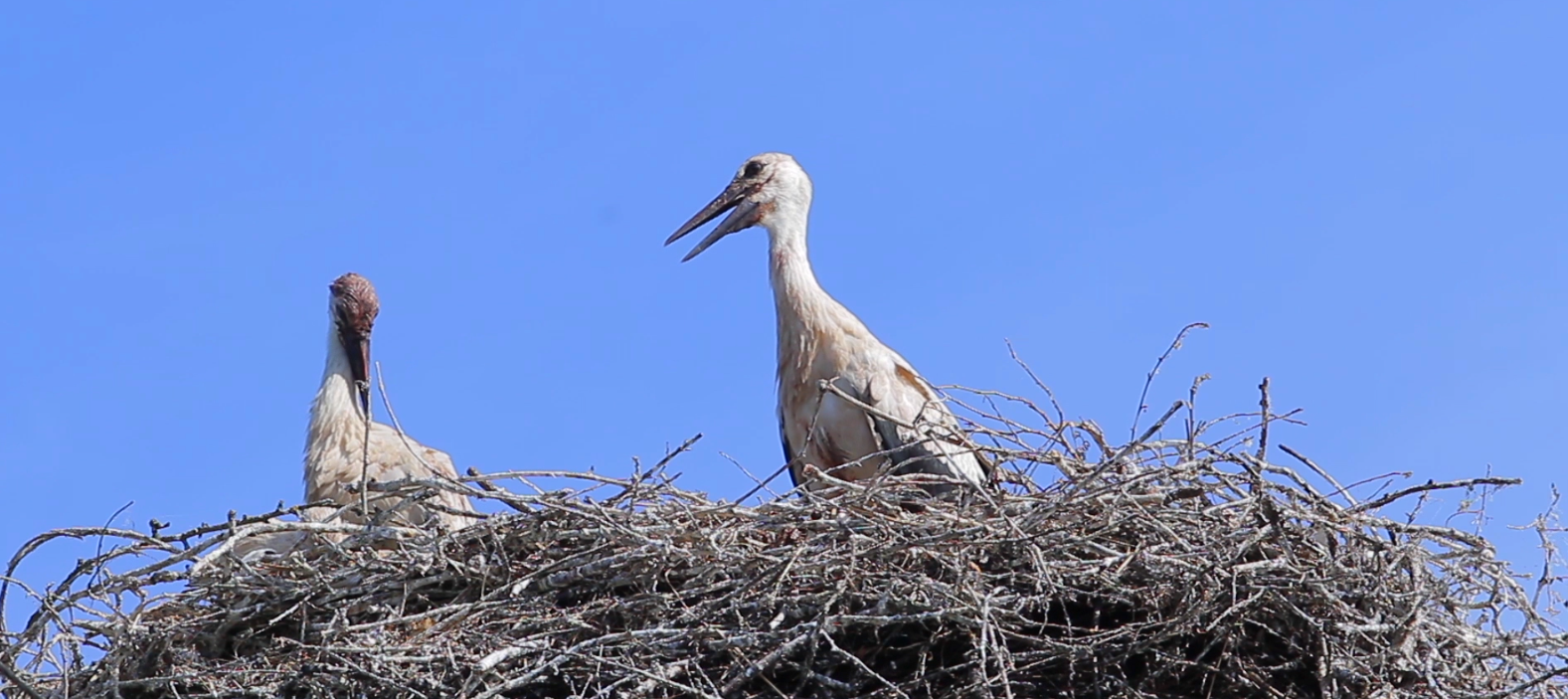
White storks are protected in France. In the 1970s, the species was nearing extinction; according to the Ligue de Protection des Oiseaux (LPO), the largest French nature conservation NGO, only 11 couples were nesting in the country in 1974.
While the white stork population has been constantly growing since and is currently estimated at 5,000 couples in France, protective measures remain essential to ensure their survival.
Among hunting and droughts in their wintering territories, electrocution is one of the causes of deaths cited by the LPO as affecting the adult stork population’s survival rates.
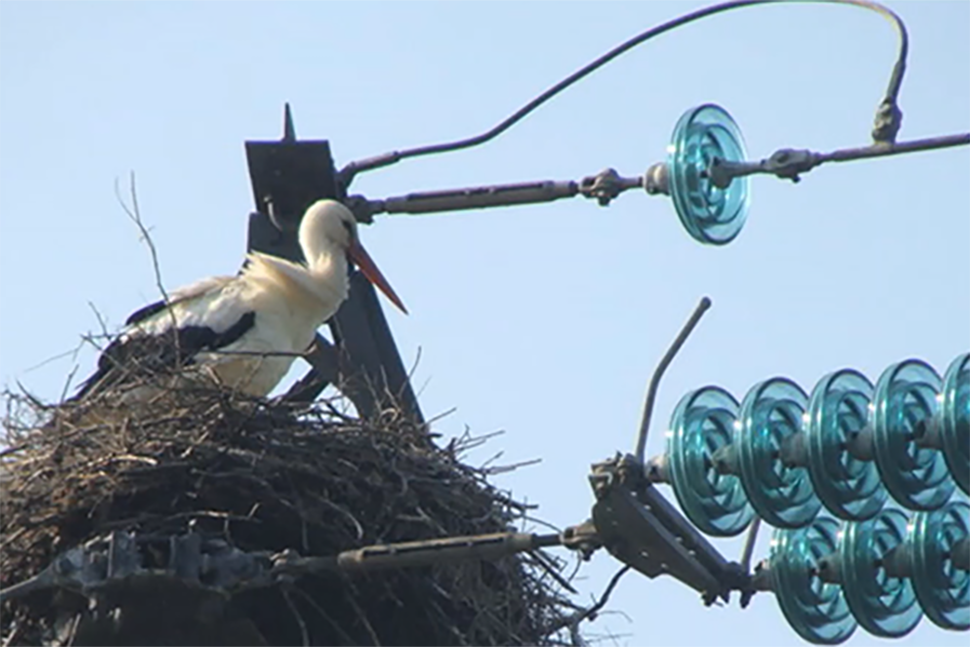
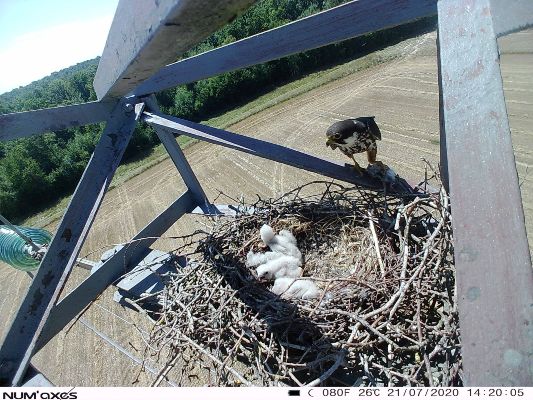
As many other species, white storks use electrical distribution poles as nesting spots. The man-made structures keep storks safe from many predators, but the size and large wingspan of these birds make them particularly vulnerable to the dangers of electrocution.
While many solutions implemented by network operators consist in deterring birds from nesting on power infrastructures, these measures further reduce available nesting places.
The challenge for the Omexom teams therefore consisted in creating a solution that still allows the storks to nest on the poles, to cause the less disturbance as possible, but keep them away from the live cables to avoid death risks.
 English