English
 Français
 Deutsch
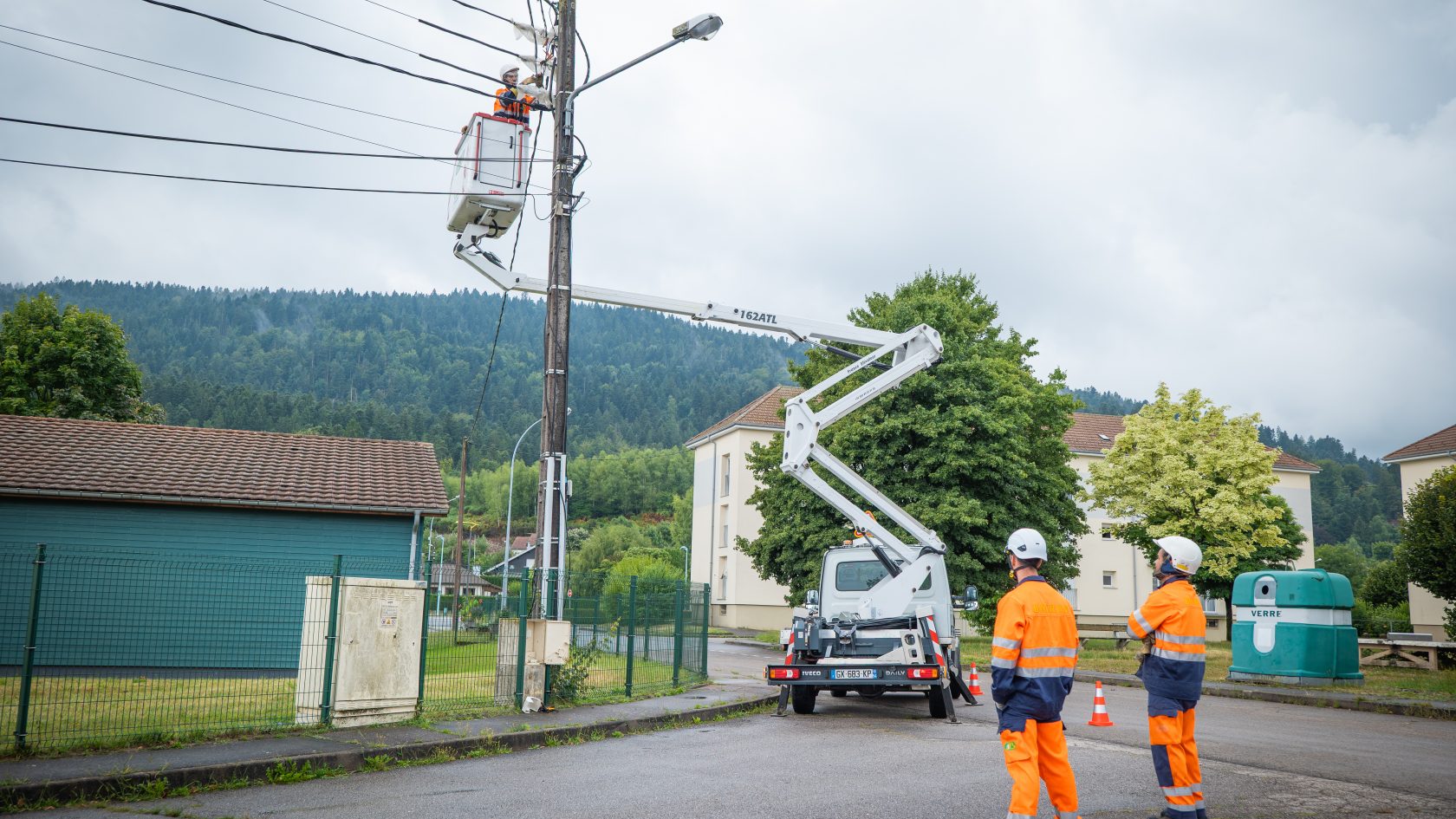

Behind every renewable megawatt lies a distribution grid that must be stronger, smarter, and more resilient. Modernizing MV/LV networks is one of Europe’s most urgent engineering challenges.
Présentation :
Europe’s push toward 45% renewable energy by 2030 and net-zero emissions by 2050 is ambitious, but beneath these goals lies a quieter, pressing problem: the infrastructure that carries clean energy is, in many places, simply too old.
The Grid Bottleneck
Discussions about the energy transition often focus on generation: gigawatts installed, turbines commissioned, and solar records set. However, generation is only part of the process. Electricity must also travel through high-voltage transmission lines, substations, medium-voltage networks, and finally low-voltage distribution to reach homes, factories, hospitals, and data centers.
The medium and low-voltage (MV/LV) layer was designed for a previous era, when electricity flowed in one direction from large, centralized power stations to passive consumers.
Today, 40% of European distribution grids are over 40 years old. Transmission lines across the EU average the same age. According to the IEA’s Electricity 2026 report, more than 2,500 gigawatts of renewable, storage, and large-load projects are currently stalled in grid connection queues worldwide. This is not because the technology isn’t ready, but because the infrastructure isn’t. In the EU alone, the European Parliament estimates that 1,500 GW of advanced-stage renewable projects are waiting in connection queues.
As per S&P’s Global Energy Horizon 2026 report, the European Commission has estimated that €584 billion in grid capital investment is needed by 2030. Rising to €1.2 trillion by 2040. These figures represent pylons, cables, substations, switchgear, and the engineering teams capable of delivering them at scale.
The Engineering Reality Behind the Energy Targets
Discussions around grid investment often centres around high-voltage transmission, the backbone of the national power system. But it is the medium and low-voltage distribution layer that touches almost every aspect of daily energy life, and where the pressure of decarbonization is being felt most acutely.
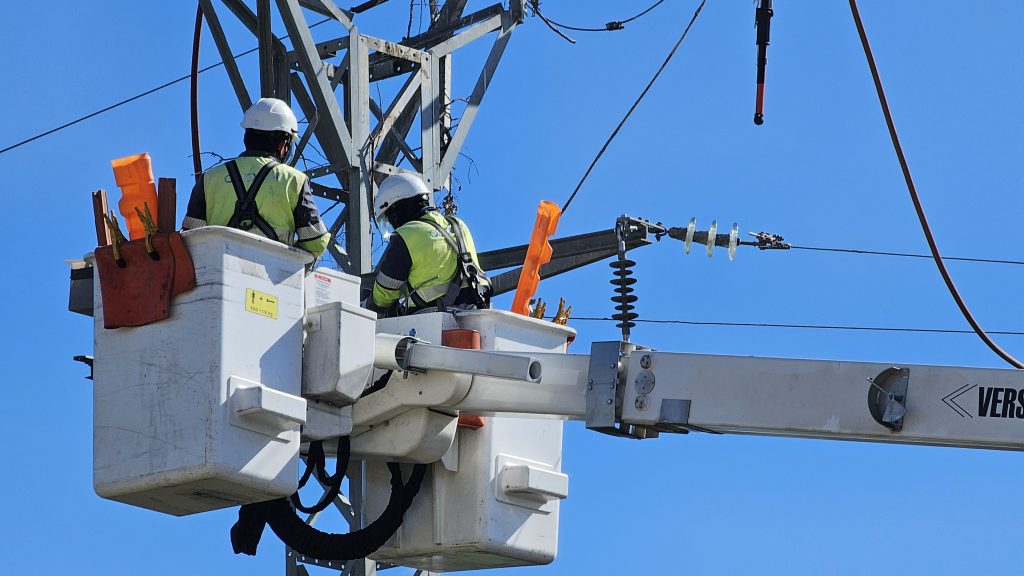
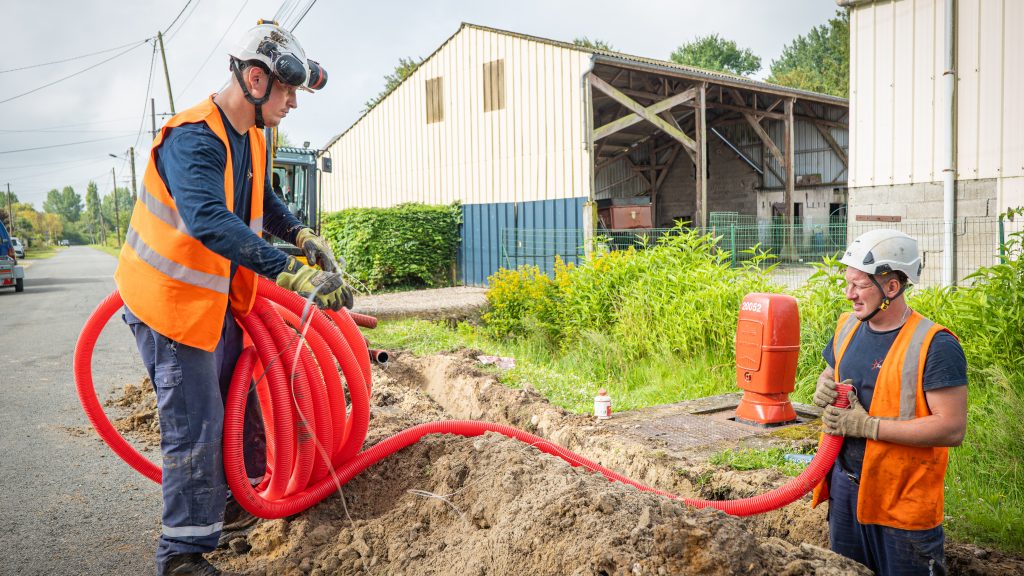
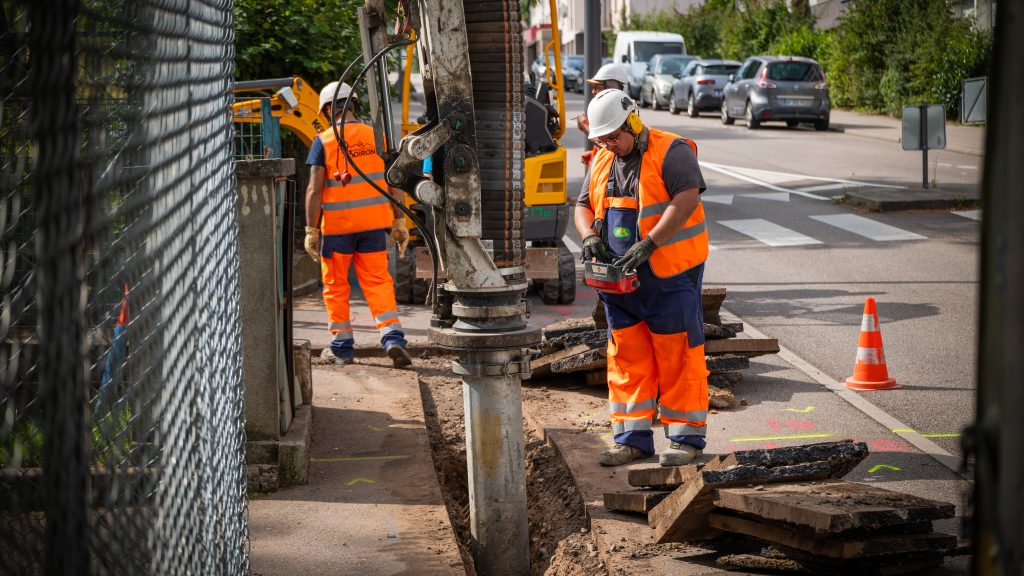
But upgrading the distribution grid is not a straightforward task. Unlike generation assets, which are built in greenfield environments, distribution networks traverse city streets, run beneath roads, parallel rail lines, and pass through existing neighborhoods. Every meter of cable installed, every substation upgraded, every overhead line replaced with underground infrastructure involves careful planning, regulatory coordination, and technical precision.
In Europe, it can take 12 to 17 years to approve new transmission lines. Because of these long delays, upgrading existing mid‑ and high‑voltage infrastructure is often the only realistic short‑term option. This puts heavy pressure on a small group of engineering contractors with the experience and capacity to deliver these upgrades.
At the same time, large transformers can take up to two years to arrive, grid connection backlogs are growing, and the infrastructure needed to meet 2030 goals takes decades to plan and build, all while political and market pressure to move faster continues to rise.
Delivering Reliability in a System Under Pressure
The challenges facing electricity distribution are shared across Europe, and they are accelerating. The energy conversation is shifting from ‘how much power we can generate ‘ to ‘how reliably we can deliver it’. At Omexom, we focus on achieving the energy transition where it matters most: the grid.
This focus is reflected in our long‑term distribution work. In Sweden, Omexom teams support Stockholm’s local and regional MV/LV network under a five‑year contract with E.ON running through 2030, covering troubleshooting, maintenance, repairs, and project delivery, illustrating the sustained effort modernisation requires.
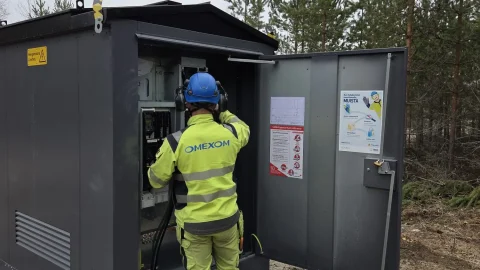
A similar long‑term approach underpins our work in Finland, where Omexom is building and reinforcing the distribution network across Central Finland under two framework agreements covering the Kyyjärvi and Laukaa areas. With a two-year term and optional extension years, these agreements reflect the same philosophy: durable partnerships built to deliver infrastructure that holds up in all conditions.
These projects show what grid upgrades really involve: not quick fixes or digital solutions, but precise engineering, complex logistics, and years of work in live urban environments.
They may not be headline‑grabbing megaprojects, but they are the essential, often invisible work that makes the energy transition possible. Without the grid, nothing else works, and at Omexom we truly believe that resilience is built on a reliable and secure electricity distribution network.
Latest news
-
Accéder à l'actualité Kivijärvi: A Project in Central Finland, Going Beyond Distribution Grid Performance and Pushing Local Expertise
Publié le- Distribution / Finland
Electricity networks in Finland today are under more pressure than ever due to growing energy demand and the need to withstand storms, heavy snow, and…
-
Accéder à l'actualité Omexom Powers Karpe World, Norway’s Largest Live Experience
Publié le- Energy Transition / Norway / Temporary Power Supply
The story behind the invisible infrastructure that powered 35,000 visitors a day at Karpe World.
-
Accéder à l'actualité From Cyclone Recovery to Grid Resilience in Réunion
Publié le- Critical Power / Distribution / France / Overhead Distribution Lines
Réunion Island sits in one of the world's most cyclone-prone regions. Every year, during the cyclone season from November to April, tropical storms and cyclones…