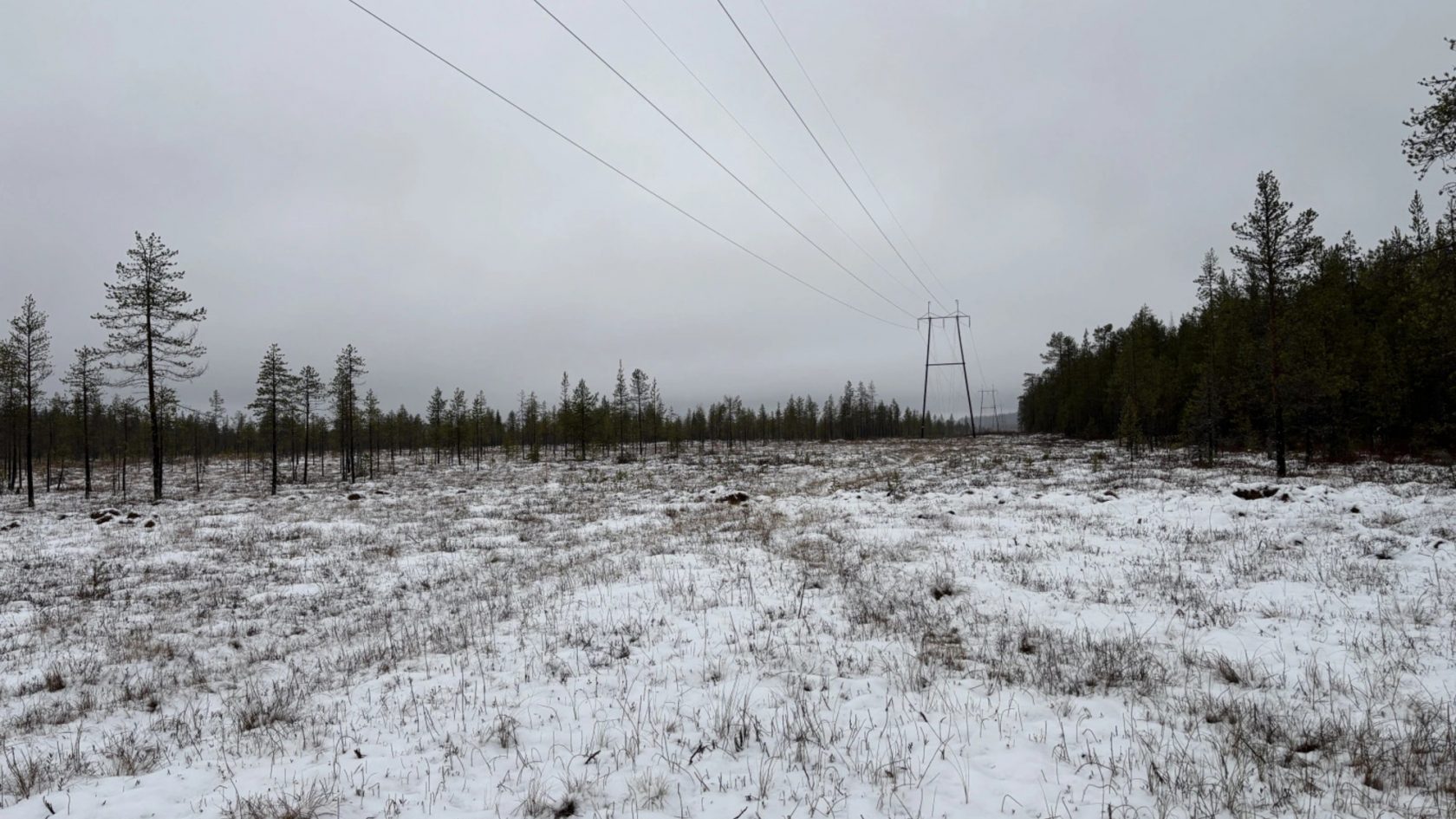
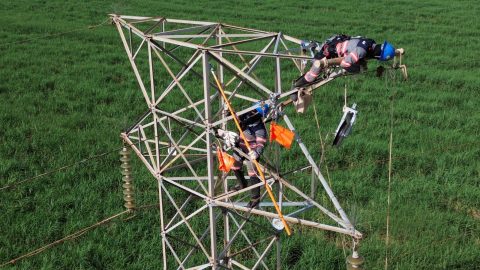
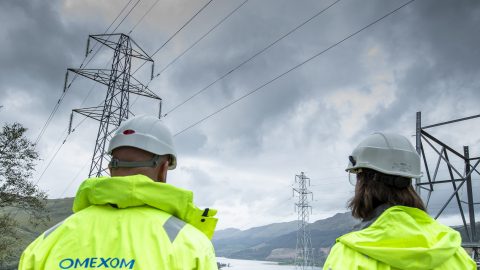
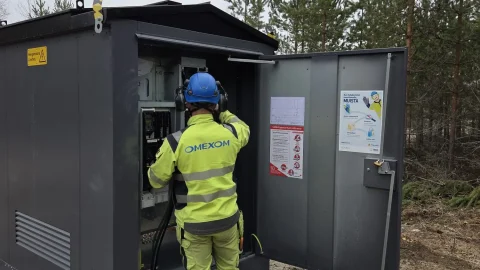
Once completed, the upgraded line will significantly improve the reliability of electricity transmission in the region. The new infrastructure will indeed reduce transmission losses compared with the existing line, allowing more of the electricity transported through the network to reach end users.
These upgrades come at a moment of accelerating pressure on Finland’s grid. Reliability remains exceptionally high, with Finland’s transmission grid reliability rate reached 99.99995% in 2025, the best result in its recorded history. The national electricity consumption is projected to quintuple by 2040, given the rising demand. This growth is being driven by data centers and hydrogen production across the region. Fingrid alone plans to invest EUR 5.2 billion in the transmission grid by 2035, its largest reinforcement program to date. Lapland in particular is expected to play a growing role in this transition: some projections see the region becoming a net electricity exporter, generating as much as 45 TWh of wind power annually by 2050.
Beyond its immediate effects, the project demonstrates how updating vital energy infrastructure may improve grid resilience and lessen environmental impact. The project illustrates a workable strategy for modernising ageing assets in environmentally sensitive locations by repurposing an existing transmission route and implementing robust, future-ready technology.
As utilities across Europe continue to modernize their networks, initiatives such as this one show how reliability, efficiency, and environmental stewardship can go hand in hand.
Read this article in Finnish: Omexom on valittu urakoitsijaksi 110kV voimajohdon saneeraukseen Lapissa
 English
 Français
 Deutsch