Présentation :

As electricity demand rises across the Netherlands, early collaboration between engineers and field teams is helping bring critical grid capacity online faster.

The Netherlands is experiencing a significant increase in electricity demand due to industrial electrification, accelerated adoption of electric vehicles, and the expansion of renewable energy capacity. To address this challenge, the national transmission infrastructure requires rapid expansion and modernization. According to Netbeheer Nederland and TenneT, Dutch electricity demand could grow from roughly 120 TWh today to between 290 and 440 TWh by 2050, highlighting the urgency of strengthening the national grid.

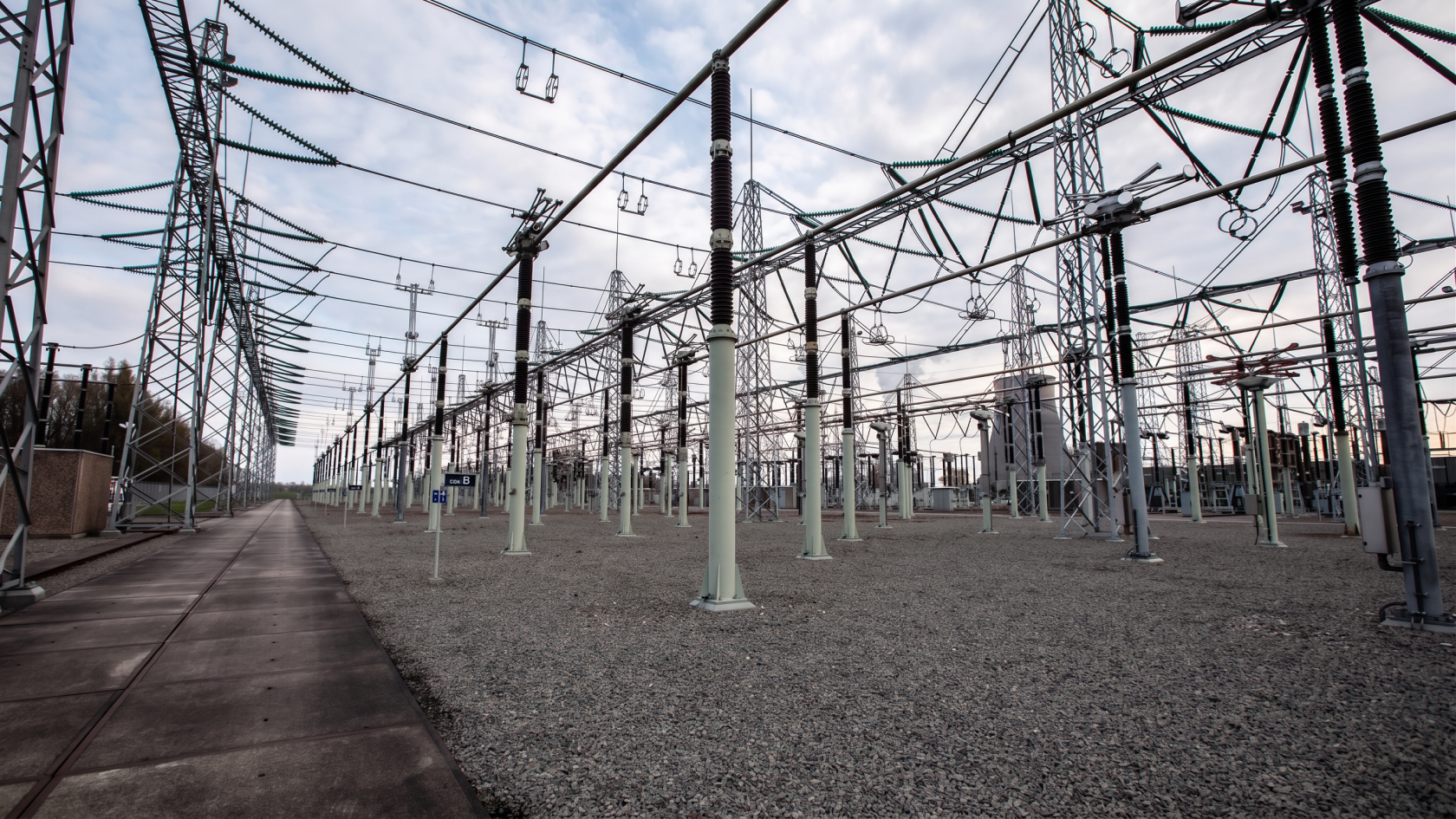
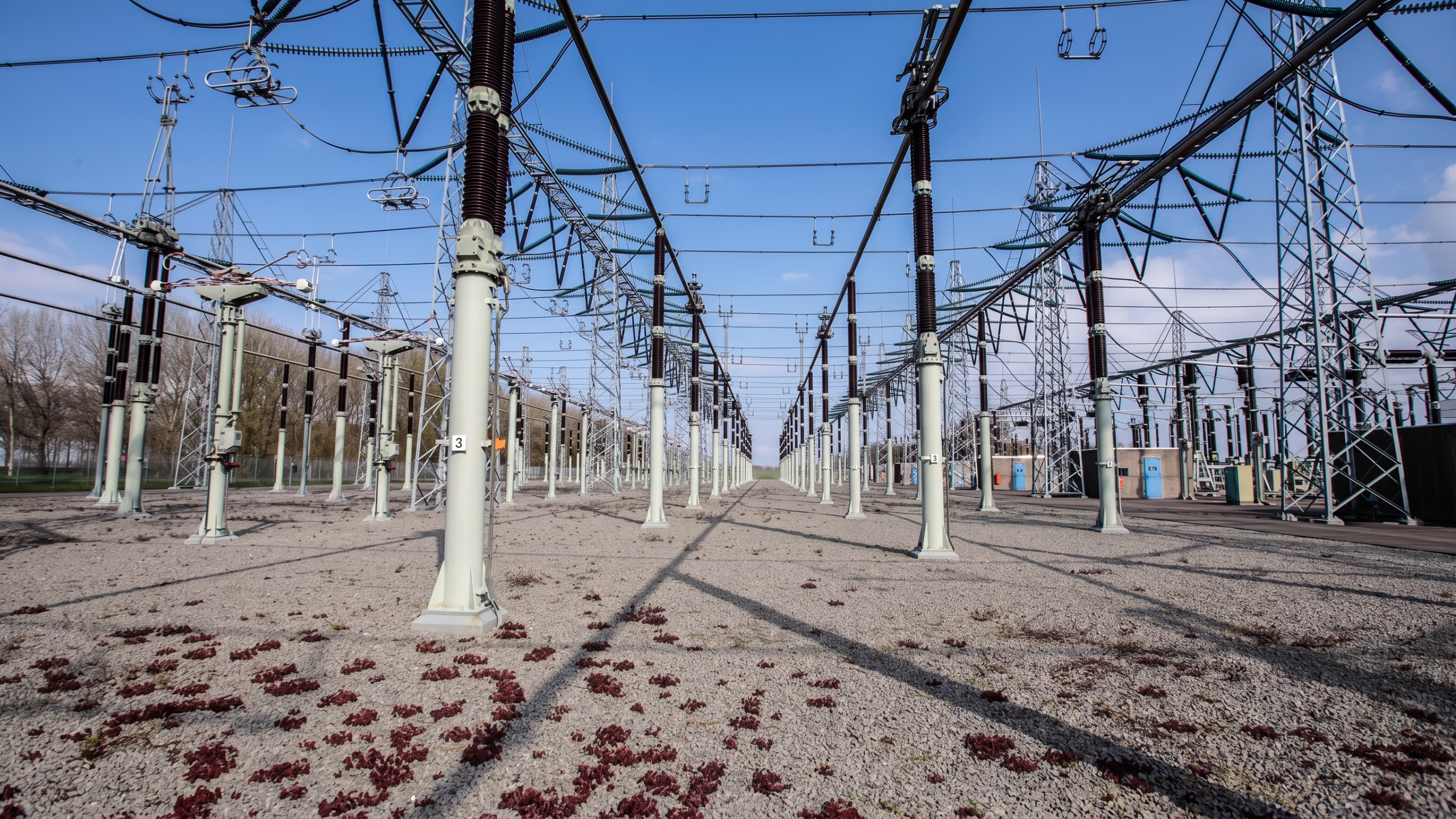
A critical site in this initiative is the Geertruidenberg high-voltage substation, which serves as a key node within the Dutch electricity network. As TenneT expanded the site’s 380 kV infrastructure, modifications to the adjacent 150 kV substation were also necessary to ensure compatibility with the upgraded network.

Traditionally, engineering and construction stages are carried out one after the other, and this can lead to delays, raise the risks of the project, and delay the delivery of the grid capacity that is so needed. Since grid operators are looking after hundreds of expansion projects across the country, each improvement in efficiency is important. TenneT alone expects to work on around 700 major infrastructure projects and modernize approximately 140 high-voltage substations over the coming years.

Bringing Design and Execution Together from Day One

To accelerate delivery, Omexom adopted an integrated project approach that connected engineering and execution teams from the earliest stages of the project.

TenneT initially engaged Omexom’s engineering team to work on the design, but the team in Den Bosch was later joined by the execution team in Dordrecht, creating a seamless collaboration between design and construction. Rather than following a conventional handoff process, both the teams worked in tandem throughout the project lifecycle.

The project involved upgrading existing transformer bays and adapting protection systems within an operational substation. Legacy copper-based communication links were replaced with fiber-optic connections and modern protection relays, enabling the 150 kV installation to operate effectively alongside the upgraded 380 kV infrastructure.

The involvement of field teams in the early stages of the project allowed engineers to gain direct insights into constructability, equipment positioning, installation logistics, and maintenance considerations. This continuous exchange enabled design adjustments to be made more quickly and reduced the risk of issues emerging during construction.

Bas Biever, Project Manager at Omexom in the Netherlands said, “If we had done this according to the standard process, we would have lost a lot of time.”

Shared planning sessions, shorter communication lines, and early procurement decisions also helped teams anticipate risks and keep the project moving efficiently.

Faster Delivery, Better Execution

The collaboration resulted in a more practical design, smoother implementation, and a shorter overall project timeline.

Furthermore, Omexom technicians worked closely with TenneT commissioning teams during the critical outage period, when new protection systems were connected and tested. Due to the thorough preparation and coordinated execution, the installations were successfully commissioned as per the schedule.

Martin Naves, Senior Foreman at Omexom in the Netherlands adds, “Normally, you only see a design when it is time to build. Here, we were able to contribute ideas in advance.”

The integrated approach delivered several tangible benefits:

  • Reduced project lead times through parallel engineering and construction activities.
  • Improved constructability and execution readiness through early field input.
  • Earlier identification and mitigation of project risks.
  • Shorter outage durations, helping maintain grid reliability.
  • More efficient knowledge transfer between engineering and operational teams.

Above all, the project helps increase the capacity and resilience of an essential part of the Dutch high-voltage network, supporting the country’s ability to connect new consumers and renewable energy resources.

A Model for the Energy Transition

The Geertruidenberg project shows a more general problem that grid operators throughout Europe are facing: expanding infrastructure fast enough to support decarbonization while maintaining reliability and safety.

The Netherlands already consumes about 119 billion kWh of electricity annually, with renewable sources accounting for approximately 50% of electricity consumption in 2024, up from 46% the year before. As electrification continues across transport, industry, and buildings, pressure on the transmission network will only increase.

Meeting this demand will require not only investment in physical infrastructure but also new ways of working. Integrated project delivery models, like the one applied at Geertruidenberg, demonstrate how closer collaboration between engineering and execution teams can reduce delays, improve project quality, and accelerate the rollout of critical grid infrastructure.

As the Dutch energy system evolves, projects such as Geertruidenberg show that successful grid expansion depends as much on collaboration and efficiency as it does on technology itself.

Read this article in Dutch: https://www.omexom.nl/nieuws/uitbrieding-hoogspanningsknooppunt/

Latest news